

The Science of Achieving Your Goals 🎯
How to achieve any goal you have in 6 simple steps – boosted with emotional intelligence insights.
by Patty Freedman

Setting a goal is one thing—sticking with it is another. So why do some people stay on track while others struggle? The secret is a mix of neuroscience and emotional intelligence (EQ). When we combine Mel Robbins’ six-step method with what we know about how the brain works and engage our emotions, achieving goals becomes much easier (and way more effective).
Here’s the breakdown:
- Decide what you want
- Write it down
- Find the formula
- Do the reps
- Make it fun
- Don’t quit

Why These Steps Work—Backed by EQ & Neuroscience
1. Decide what you want:
Clarity is a game-changer.Getting super clear on what you want is a game-changer. What will your goal look like? Your prefrontal cortex—the part of your brain that helps with planning and focus—kicks into gear when you set a clear goal.
Think of it like setting a GPS—if you don’t know the destination, you’ll get lost. But here’s the missing piece: emotions fuel motivation. If you don’t check in with how you feel about your goal, you’re missing a massive energy source. Six Seconds’ Navigate Emotions competencyhelps you access, harness and transform these feelings into a resource you can draw upon to help you reach your goal.
Don’t forget a really important part of goal setting– how will you know when you’ve achieved it? You need to make it measurable. This is important not just at the end (so you can run through the finish line) but also so you can set up “little wins” along the way. This will help you stay engaged and motivated when the going gets tough.
2. Write it down:
Ever notice how after you buy a new car, you suddenly see the same model everywhere? That’s your reticular activating system (RAS) at work—it filters what’s important. Writing your goal down does the same thing. Dr. Mark Waldman’s research shows that putting your goal on paper signals to your brain that it is a priority, and allocates attention toward it (check out this article for more Dr Waldman’s neuroscience tips) Plus, it strengthens Six Seconds Engage Intrinsic Motivation competency, making your goal something you want rather than just something you should do.
Put your goal somewhere you’ll see it (bathroom mirror, phone case, dashboard of your car). Having reminders in your immediate environment will keep your attention on the goal. This will help support you making all the little everyday decisions to take you closer or further away from your goal.
Your emotions are an energy source. If you don’t check in with how you feel about your goal, you’re missing out on serious motivation.
Before you read on, we thought you might like to download your free 6 Steps to Success: Goal Setting Worksheet. Use this journaling activities worksheet to make your goals more successful with emotional intelligence insights.

3. Find the formula:
You don’t have to figure everything out from scratch. If someone else has done what you want to do, study their path. Learn from their successes. You aren’t copying them, you’re benefiting from their wisdom and making it your own. Have you heard about the Ikea effect? This means personalizing the formula is something you’ve created just for you- and you’ll get a boost. This isn’t just smart—it builds self-efficacy, meaning you’re investing in your ability to succeed. The Six Seconds Apply Consequential Thinking competency can help with this, because it teaches you to weigh different strategies and choose the best approach that works for you.
4. Do the reps:
Repetition is key—even when it’s boring or hard. This step is all about putting in the work—consistently. Neuroscience tells us that neuroplasticity helps your brain adapt and form stronger connections the more you repeat a behavior. Neuroplasticity means our brains can change. Check out Dr. Lara Boyd’s Tedx talk where she explains that chemical changes in the brain are possible for short term performance, but for long term learning, we need to make structural changes and that takes practice. By doing the reps, we are literally building our neural network to support the new skill. And every rep you do makes the next one easier. A key part of doing the reps? Tracking your small wins. Progress fuels motivation. Six Seconds’ Engage Intrinsic Motivation keeps you going even when results aren’t immediate.
5. Make it fun:
When “doing the reps” gets hard, trick your brain into staying engaged by making it work for you. This isn’t about avoiding effort, but about finding ways to stay engaged and make the process smoother. How can you save time, save effort, gamify the process of getting the reps in? This isn’t about taking shortcuts—James Clear (Atomic Habits) talks about making habits easier by adjusting your environment (look at this video at 2:14 to learn more). Your brain loves dopamine, the “feel-good” neurotransmitter and “making things fun” leverages this built-in reward system. Six Seconds’ Exercise Optimism competency can help you here by reviewing your options and reframing challenges into opportunities, so sticking with your goal can feel rewarding.
How can you make this into a game? Think about your reward system– can you fill out a progress bar, assign points for achievements? And when you hit certain milestones along the way, what kind of reward or incentive can you give yourself for sticking with it? Being social and collaborating with others is important for motivation but also novelty and learning. Who can you invite to join you in participating in your goal? Is there something you can do with a buddy? Also an important part of making it fun is to give yourself increasing levels of challenge. These can be in difficulty level, time, or other limitations. You can choose all kinds of ways to challenge yourself but in the end you will be the winner with all the skills you are developing along the way.
6. Don’t quit:
Shout out to Angela Duckworth and her work on grit—sticking with something even when it’s tough—is one of the biggest predictors of success. Resilience isn’t just about willpower; it’s about how you respond to setbacks. When setbacks happen (and they will), emotional intelligence plays a huge role here, especially when it comes to self-compassion. The Six Seconds Increase Empathy competency helps you be kind to yourself when things don’t go perfectly, so you can bounce back instead of giving up.
Plan ahead for obstacles. What supports (people, procedures, resources) can you pull on when you are going through a hard patch? What are some habits you can build into your plan so that sticking with your goals feels more automatic? What about meal prepping? You can make healthy eating choices even when you are tired because the meal is all ready and will be wasted otherwise. Can you set up a “walking buddy” for your exercise routine– that way you’ll have an accountability partner. On days when you don’t feel like working out, you go anyway because not showing up would let your buddy down. There are lots of creative ways to help you keep going, if you are committed to not quitting on yourself.
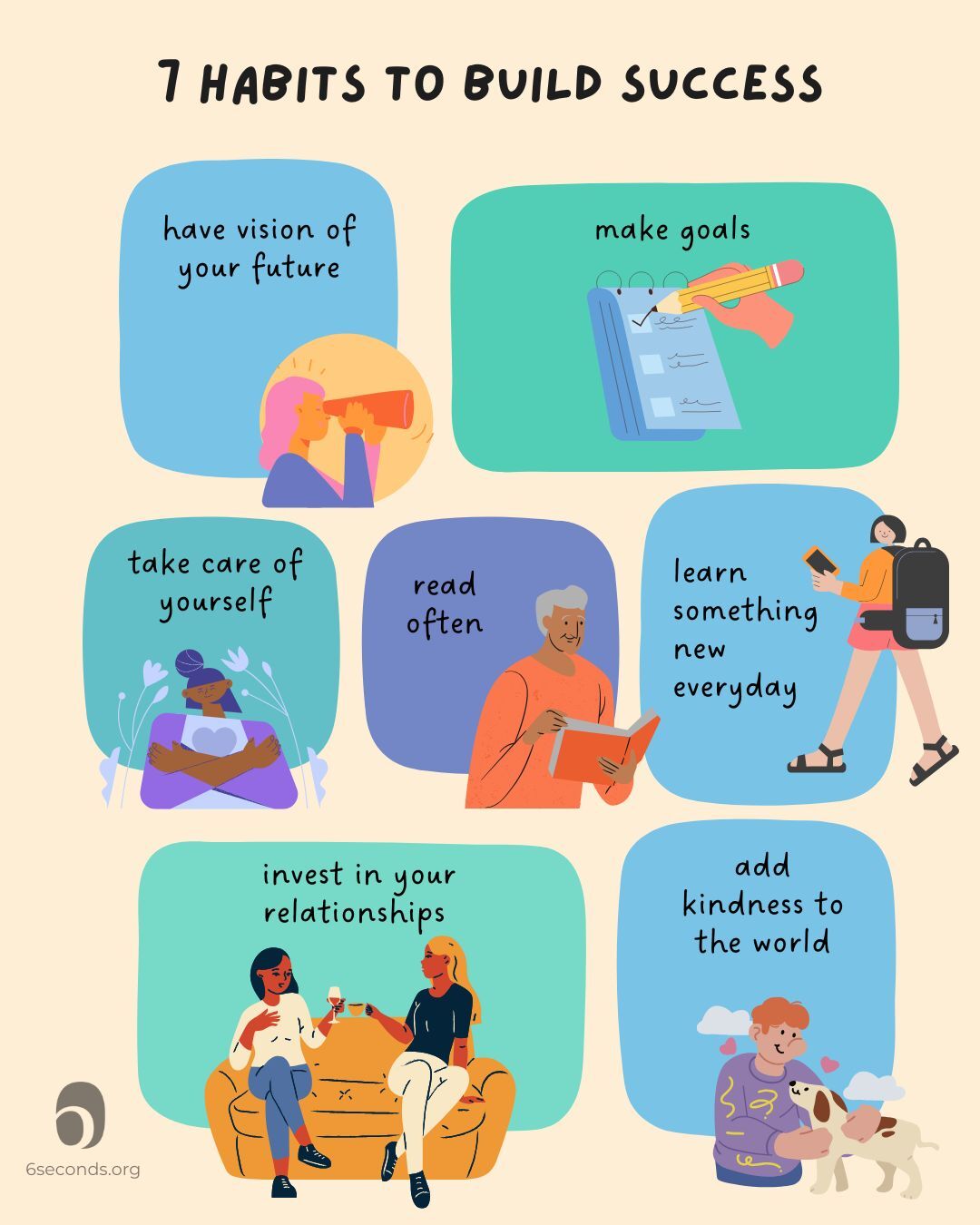
Want more content like this? Follow us on Insta!
“Writing your goal down isn’t just busywork—it activates your brain’s filtering system so you start noticing opportunities everywhere.”
Stick With It, You’ve Got This!
Achieving your goals isn’t just about brute force and willpower—it’s about working with your brain and emotions, not against them. By using this six-step method, supported with neuroscience and emotional intelligence, you’re setting yourself up for success. Clarity, consistency, and resilience will keep you on track. Remember, even small steps add up to measurable progress —so celebrate your wins along the way.
No matter what your goal is, you have what it takes. Now, go make it happen!
Take Action: Download Your Goal-Setting Worksheet
Want to apply this method to your own goals? We’ve created a worksheet to help you put these steps into action. Download it here:
For more articles, I recommend:

- Is Your Motivation Hiding? Shine a Light on It - February 3, 2026
- Six Seconds 2025 Impact Report: Global reach, measurable outcomes anda growing movement for emotional intelligence - January 2, 2026
- The Holidays Can Be Something We Make, Not Something We Survive - December 7, 2025